
When investors think about protecting wealth with physical precious metals, they tend to focus on what to buy like gold vs. silver, coins vs. bars, bullion vs. numismatics. Just as important, and often overlooked, is where and how those metals are stored.
Storage is not just logistics. It is a core part of your risk-management strategy. The right storage decisions can protect your holdings from theft, loss, natural disasters, and even jurisdictional or counterparty risk. The wrong decisions can undo years of careful planning.
This article will walk you through the major storage risks many investors underestimate and practical ways to avoid them.
1. Home Storage: Convenience vs. Exposure
Storing metals at home is appealing at first glance. You can see and touch what you own, you do not depend on a third party, and you avoid ongoing storage fees. It is also readily at hand in case of an emergency. However, home storage introduces several important risks.
Key Risks
Theft and burglary: Residential properties are relatively easy targets. Even a high‑quality home safe can be vulnerable if the location is known or if the safe can be removed and opened later. Moreover, most homeowners’ insurance policies have very low limits on coverage for bullion and rare coins, may not cover full replacement value, and often require riders or endorsements that many investors never obtain.

So far, the U.S. Olympic team will be taking home a total of 20 medals. 6 gold medals, 9 silver medals, and 5 bronze.
What is an Olympic medal actually worth these days? In addition to the invaluable prestige that comes with earning a medal, each gold medal actually contains 523 grams of sterling silver, with approximately six grams of gold plated on top, while each silver medal is made of 525 grams of sterling silver.
At today's spot prices, six grams of gold works out to be worth about $965 at current prices, while the silver portion of a gold medal, about 523 grams, is worth about $1,345. Added together, the raw metal value of a gold medal currently lands around $2,310, while the silver medal clocks in around $1,350.
But with gold and silver continuing to appreciate in this bull market, those medals will continue to hold more and more value in the years to come.


Over the past year, gold has pushed dramatically higher on investment demand. While many Western investors remain focused on equities, more and more are starting to pay attention to gold's record-breaking all-time high above $5,595.
Expect volatility.
Especially in silver.
Put it to work for you.
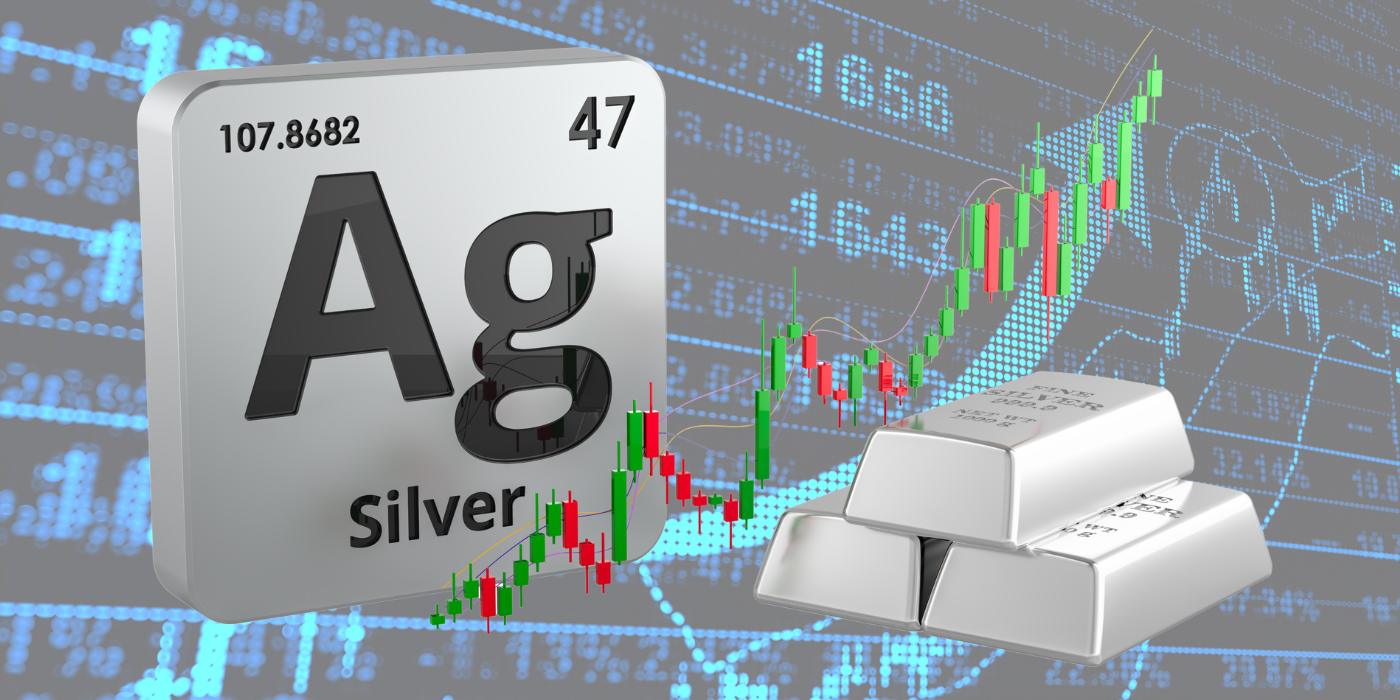
After months of rallying, silver has given back some ground. But, there's a reason why this pullback looks more like an opportunity than a warning...
For short‑term traders, that volatility can be unsettling.
Long-term investors are made of stronger mettle than that... pun intended.
For long‑term investors focused on purchasing power and portfolio resilience, pullbacks like this are often where future returns are born.
At Asset Strategies International, we view the current dip in silver not as a verdict on the metal’s long‑term prospects, but as a chance to accumulate a monetary asset at more attractive levels.
The Fundamentals Haven’t Changed—If Anything, They’ve Improved
On the demand side, silver remains essential to key growth trends:
Electrification and renewable energy: solar panels, EVs, and grid upgrades all require significant silver content.
Electronics and 5G: silver’s conductivity makes it irreplaceable in high‑performance components.
Investment demand: in periods of fiscal strain and currency debasement, investors historically migrate toward hard assets, including silver.
On the supply side, mine output has struggled to keep pace, and a meaningful portion of above‑ground supply is tied up in long‑term industrial and investment holdings. That imbalance does not resolve overnight—and it is not reflected in every short‑term price swing.
Short‑Term Fear vs. Long‑Term Value
Price pullbacks in silver are often driven by:
Futures market positioning and short‑term speculation
Shifts in economic policy expectations
Temporary U.S. dollar strength
None of these factors change silver’s role as:
A diversifier alongside equities, bonds, and other assets
A hedge against inflation and currency weakness
A store of value outside the traditional financial system
For investors seeking to add stability to retirement portfolios or diversify away from purely paper holdings, lower entry prices can improve long‑term risk/return characteristics.
Turning Volatility Into Strategy
Instead of trying to time every move, many of our clients:
Average in: add to positions in stages when prices pull back.
Upgrade holdings: exchange higher‑premium products for more ounces when relative values are favorable.
Align metal mix: use dips in silver to rebalance gold/silver allocations using the Gold/Silver Ratio
Make no mistake: this pullback is setting a new floor. Don't be left out when it shatters the next ceiling. For long-term investors, volatility is a blessing. Buying the dips is the best way we know to help you Keep What's Yours.
How We Can Help
Asset Strategies International has spent over four decades guiding investors through multiple precious metals cycles. We can help you execute a disciplined plan rather than reacting emotionally to headlines.
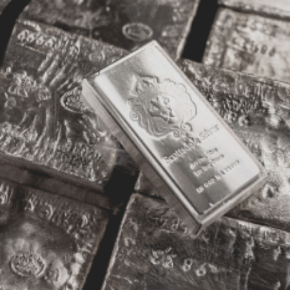
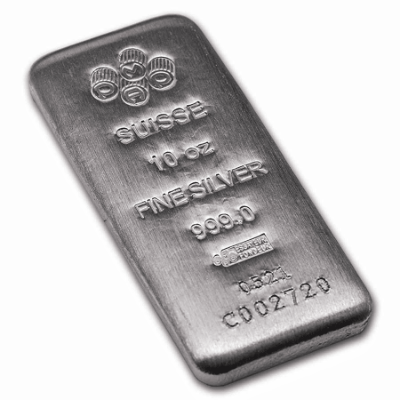
Right now, we’re featuring 10 oz. silver bars at just $3.99 over spot per ounce. This is a straightforward way to add meaningful silver weight to your holdings at an attractive, transparent premium.
If you’re ready to put this pullback to work, contact us today to lock in 10 oz. silver bars at $3.99 over spot per ounce while allocations remain available.
Call 1-800-831-0007 or email us to claim yours.