RSS

Blog

Why Silver Down 25% is a Buy Signal

silverdown25

President Trump’s decision to extend the deadline for Iran to reopen the Strait of Hormuz was widely interpreted as a sign that conflict in the Middle East won't be ending anytime soon.

For investors, that matters.

When geopolitical tension drags on, markets begin to price in a familiar set of risks: rising energy costs, renewed inflation pressure, stubbornly high interest rates, and greater volatility across stocks and bonds.

In that kind of environment, precious metals tend to attract renewed attention and silver may be one of the most compelling opportunities available today.

Why This Middle East Conflict Matters for Silver
The Strait of Hormuz remains one of the world’s most important oil chokepoints. Any prolonged disruption, or even the credible threat of one, can ripple through the global economy. Higher shipping risk and energy costs can feed inflation at exactly the wrong time.

That creates a difficult backdrop for traditional investors:

  • Inflation may remain elevated longer than expected
  • Interest rates could stay higher for longer
  • Equity markets may face pressure from uncertainty and slower growth
  • Bond investors may continue to struggle if yields rise further

This is exactly the type of environment that tends to strengthen the case for tangible hard assets.

And silver's recent pullback is creating a prime opportunity to buy tangible assets at a lower spot price

Silver is down 25% this month after gaining 19% in February and advancing 11% in January. It rose 141% last year. 

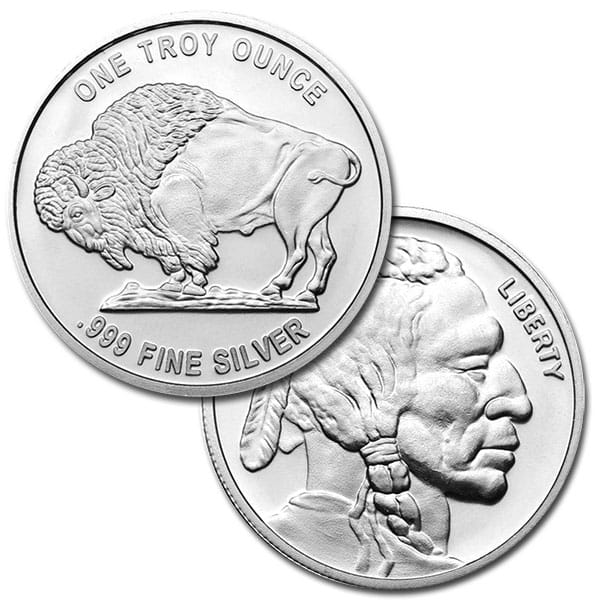
Inflation, financial-system stress, and geopolitical instability are set to drive silver prices back up, so don't delay!1ozsilverbuffalo_600x300

1 oz. Silver American Buffalo Rounds – Just $3.99 Over Spot

In a market shaped by geopolitical uncertainty, inflation risk, and pressure on interest rates, waiting for perfect clarity may mean paying higher prices later. For many investors, this is the time to act deliberately and start building or adding to a physical silver position.

Call 1-800-831-0007 today to lock in 1 oz. Silver Buffalo Rounds at $3.99 over spot and take a practical step toward protecting your portfolio with physical silver.

No one can predict exactly how long Middle East tensions will last, how inflation will respond, or when central banks may change course. But investors do not need certainty to recognize risk.

Silver remains one of the most practical hard assets to own in a world marked by geopolitical instability, inflation pressure, and financial uncertainty. For those who want portfolio diversification, divisibility, tangible value, and a lower-cost entry into precious metals, silver deserves serious attention now.

Why Physical Assets Matter in a Digital World

In today’s financial markets, nearly everything is digital. Investors can buy stocks, funds, and other assets in seconds, monitor portfolios in real time, and manage wealth from virtually anywhere.

Explore Vintage Gold Near Bullion Premiums

goldnumismaticcoins

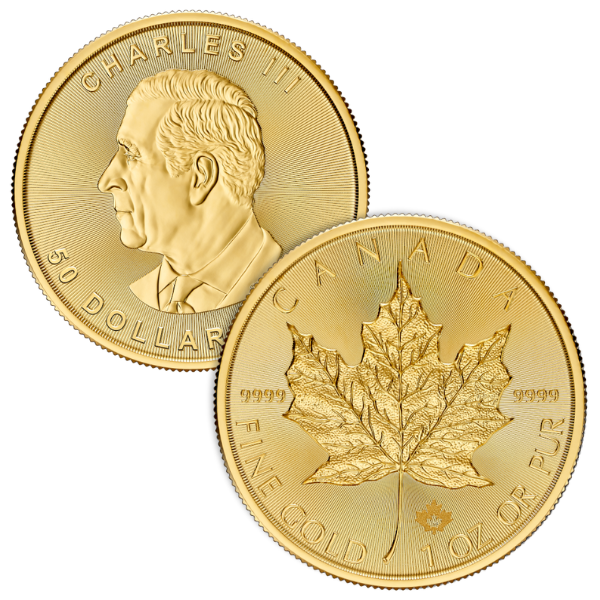
Coin collecting can be a very profitable venture when done the right way, and numismatics make a great alternative asset for those looking to diversify their portfolio beyond bullion.

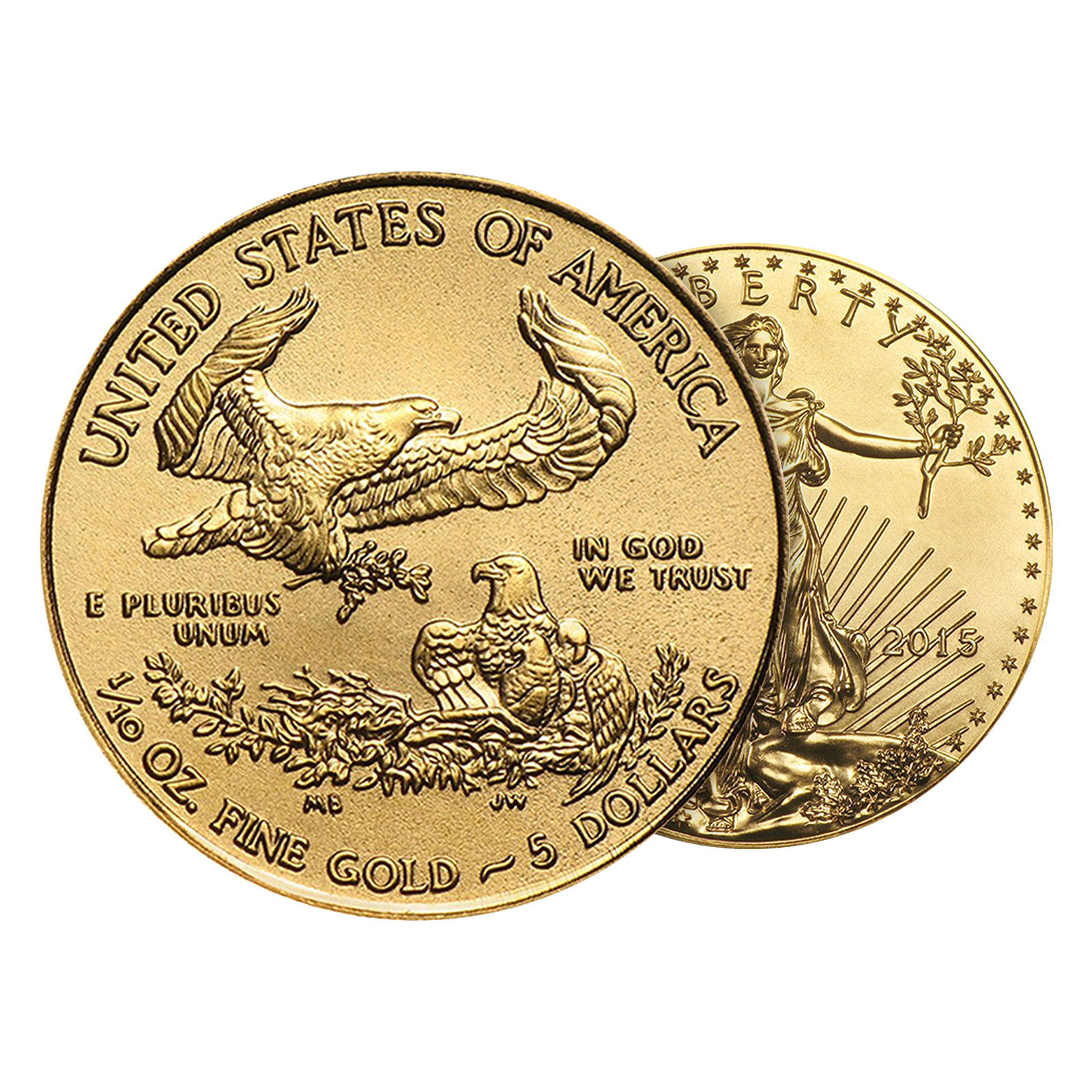
Investors like pre-1933 gold coins for their track record of outperforming generic gold bullion in times of uncertainty. This was especially true in choppy markets like 2009 and 2013.

What is the difference between bullion and a numismatic coin?

Unlike bullion, numismatic coins are not an investment in the typical sense. Although used as a store of wealth, their value is not always associated with the metal content spot price. In fact, numismatic coins are generally worth more than their bullion counterparts.

There are many ways to collect coins. The simplest way is to save coins found in circulation, and this is how many of the greatest collectors got their start.

However, coinage with gold or silver content is extremely unlikely to be found in circulation, and collectors interested in coins composed of precious metals are unlikely to find anything of significant value in circulation. Owning numismatic coins with precious metal content is a savvy way to turn coin collecting from a hobby to an investment strategy. 

Between standard bullion and numismatics, we also have what is referred to as Junk Gold or Junk Silver.

Junk Silver refers to pre-1965 dimes, quarters and half-dollars which still have a 90% silver content, which makes their worth higher than their face value. As an asset, they’re easily divisible, have widespread recognition, and boast great value for both investment and survival purposes. Today, a $100 face value bag of pre-1965 coins will net about 71.5 ounces of pure silver when melted.

Meanwhile, what we refer to as Junk Gold are circulated pre-1933 gold coins which are similar in age and type to numismatic coins, but they do not have as much potential for additional value above their melt price due to their common nature and visible wear and tear from circulation.

They’re a great way to own gold with a fascinating history attached at a lower cost.

These coins offer a compelling combination of gold ownership, affordability, and history.

Available now in LP (Low Premium) grade :

  •  $20 Liberty Double Eagles 


  • $10 Liberty Eagles 

Give us a call at 1-800-831-0007 or email us to place your order today!

Hard Assets 101: A Beginner's Guide

New to owning precious metals or considering your first portfolio purchase? Start here.

This Pullback May Be the Setup of the Decade

silvercorrection

Silver spot prices today look less like a tired market and more like a tightly coiled spring.

After a historic rally starting in late 2025—when silver prices breached the $115 level for the first time ever—the metal underwent a sharp correction into the $67 range early this year. That move felt “violent” to many investors watching day by day, but in the context of a long-term precious metals bull market, it was both necessary and healthy.

Corrections like this accomplish two things:

  • They clear out speculative excess.
  • They create new entry points for disciplined investors who were left on the sidelines during the initial surge.

And, despite the correction, silver still gained 19% last month, adding onto 11% gains in January.

Today, silver is once again building energy for what could be a significant follow‑on move.  

A Healthy Correction in a Larger Bull Market
Long-term bull markets in precious metals rarely move in a straight line. They advance, retrace, and then rebuild strength. The recent correction in silver:

  • Brought prices back down from overheated, momentum-driven levels
  • Allowed investors to reassess fundamentals rather than simply chase headlines
  • Provided a second chance for those who missed the initial breakout above $100

From a strategic investor’s perspective, this pullback is not a sign of “failure” in the silver story. It is part of the normal rhythm of a sustained bull market, and it may be presenting an opportunity for those willing to step in at lower prices, rather than waiting for the next round of euphoria.

For investors “in the know,” taking the perceived risk of buying into this weakness can position portfolios for potentially meaningful upside if silver’s next leg higher unfolds as the fundamentals suggest. It rose 141% last year. What will it do in 2026?

Structural Deficit: The Quiet Driver Behind Silver
The most compelling part of the silver narrative today is not the price chart; it’s the fundamental supply–demand imbalance building quietly in the background.

For the sixth consecutive year, the silver market is expected to remain in deficit, with a projected shortfall of roughly 67 million ounces in 2026. That means total demand is set to exceed newly mined supply by a significant margin again.

Several forces are contributing to this persistent structural deficit:

  • Constrained mine supply: New large-scale silver discoveries are rare, and bringing new production online is capital-intensive and slow.
  • Limited secondary supply: Recycling helps, but it has not been sufficient to close the gap.
  • Stubborn demand growth: Industrial and investment demand have both remained resilient, even through corrections.

In simple terms, the market is drawing down existing above-ground inventories to bridge the gap, and that is not a dynamic that can persist indefinitely without consequences for price.

What This Means for Investors
When you combine: a multi-year structural deficit, intensifying industrial and military demand, and a healthy correction after a historic breakout above $115, you get a market that is quietly reloading for its next major move.

Physical silver can play a tactical role in a broader precious-metals allocation, especially for investors focused on protecting retirement savings and long-term purchasing power.

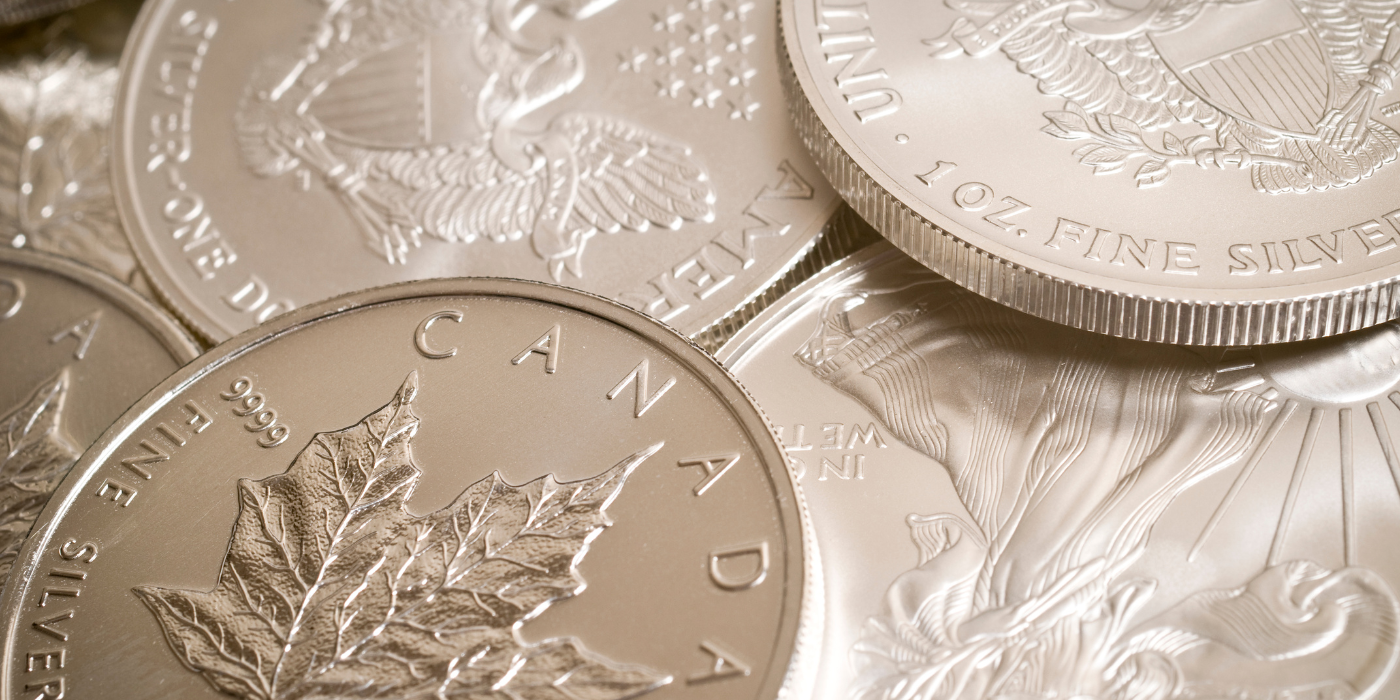
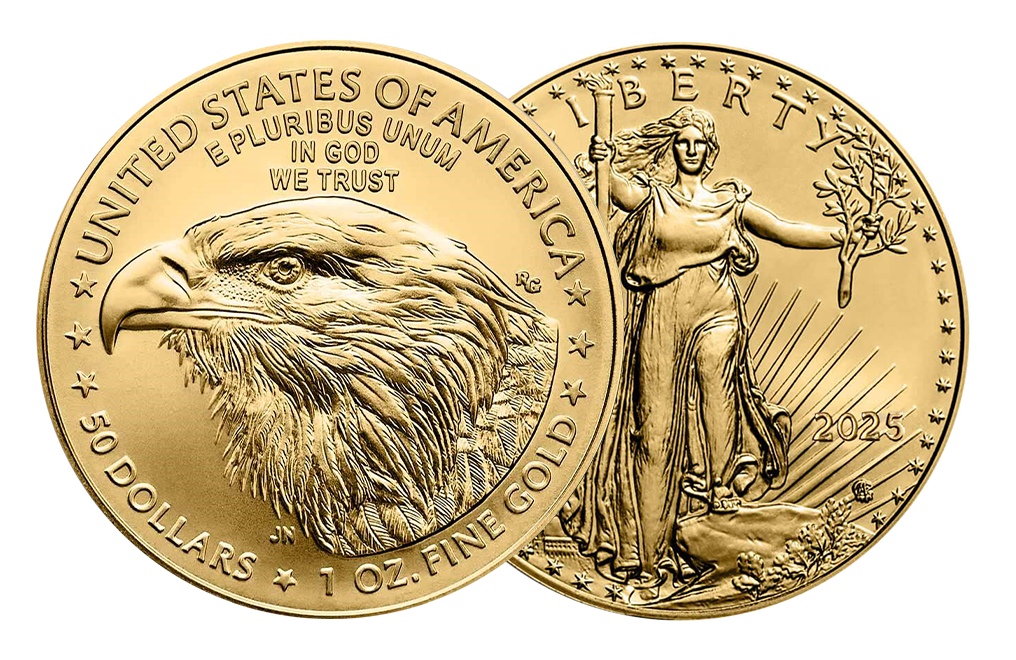
For investors who want to translate this macro backdrop into concrete action, we are currently extending special pricing on Silver American Eagles:

2026-silver-eagle

2026 1 oz. Silver American Eagles – Just $6.99 Over Spot

This offer is designed for investors who:

  • Want to add low-premium, highly liquid silver bullion to their holdings
  • Prefer U.S. Mint–issued coins with global recognizability and wide dealer acceptance
  • Are looking to rebalance or build a strategic precious metals position during a market pullback, rather than after the next spike

Key points about this allocation:

  • Recognized quality: 1 oz. Silver American Eagles are among the most trusted and widely traded silver bullion coins in the world.
  • Liquidity: Their popularity and recognizability make them straightforward to sell or trade when you choose to rebalance.
  • Transparent pricing: A clearly defined premium—$6.99 over spot—helps you understand your total acquisition cost from the outset.
  • Free shipping: Your Silver Eagles ship free when you buy 300 oz. or more

Availability is limited and pricing is subject to current market conditions and spot price at the time of purchase. If you are considering a meaningful allocation to silver, this may be a timely way to secure high-quality bullion while the market is still digesting its recent correction.

A Disciplined Way to Act on This Coiled Spring
No one can promise where silver will trade in the coming months. What investors can do, however, is position themselves thoughtfully before a post‑correction setup that looks more like a coiled spring than a broken market.

Ready to add 2026 1 oz. Silver American Eagles?

Call us at 1-800-831-0007 to discuss whether this $6.99-over-spot opportunity aligns with your objectives, risk tolerance, and overall retirement and wealth‑preservation plan.

We will walk through how physical silver may fit alongside your existing holdings and help you determine an allocation strategy that reflects your long-term goals, not just the latest headlines.

Is Your IRA Ready?
Is Your IRA Ready?

Will Rogers famously said, "The only difference between death and taxes is that death doesn't get worse every time Congress meets."

All jokes aside, if your personal finances are feeling the sting of inflation, or your portfolio is feeling the burn from assets deflating across the board, we have good news...

You can include precious metals like gold, silver, platinum and palladium in an Individual Retirement Account (IRA)!

Did you know that was an option for self-directed IRAs? We have been assisting clients in making it a reality since the IRS code first allowed it nearly 40 years ago.

Today’s Macroeconomic Picture Demands Real Gold Ownership

globaleconomy

Information Line - March 2026

Perspective
By Rich Checkan

Silver Broke $90: Here’s What’s Driving the Rally

silverrally

Storage Risks for Precious Metals Investors (And How to Avoid Them)

When investors think about protecting wealth with physical precious metals, they tend to focus on what to buy like gold vs. silver, coins vs. bars, bullion vs. numismatics. Just as important, and often overlooked, is where and how those metals are stored.

Storage is not just logistics. It is a core part of your risk-management strategy. The right storage decisions can protect your holdings from theft, loss, natural disasters, and even jurisdictional or counterparty risk. The wrong decisions can undo years of careful planning.

This article will walk you through the major storage risks many investors underestimate and practical ways to avoid them.

1. Home Storage: Convenience vs. Exposure
Storing metals at home is appealing at first glance. You can see and touch what you own, you do not depend on a third party, and you avoid ongoing storage fees. It is also readily at hand in case of an emergency. However, home storage introduces several important risks.

Key Risks
Theft and burglary: Residential properties are relatively easy targets. Even a high‑quality home safe can be vulnerable if the location is known or if the safe can be removed and opened later. Moreover, most homeowners’ insurance policies have very low limits on coverage for bullion and rare coins, may not cover full replacement value, and often require riders or endorsements that many investors never obtain.

Close